AI IMPACTS IN HEALTHCARE
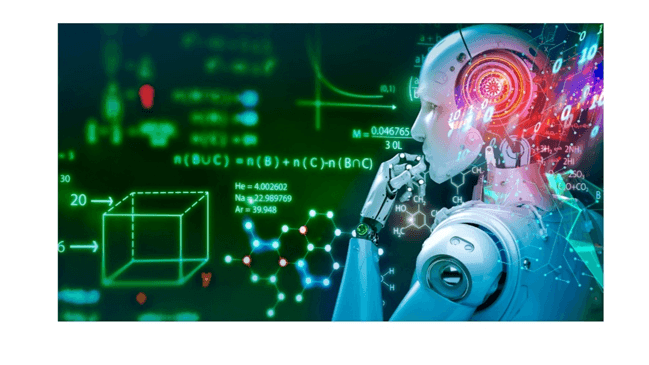
Artificial Intelligence is the development of computer system that are capable for performing tasks that normally require human intelligence tasks such as decision making object, detection solving, complex problems and so on. The four main benefits of artificial intelligence is that it gives us predictions with an increased level of accuracy. It helps in decision making process, it has to solve complex problems and it performs high level computations that will take days for a human to solve. It is something that makes our lives easier. It is the simulation of human intelligence processes by machines, especially computer systems.AI in healthcare is an umbrella term to describe the application of machine learning (ML) algorithms and other cognitive technologies in medical settings. In the simplest sense. Healthcare is one of the most critical sectors in the broader landscape of big data because of its fundamental role in a productive, thriving society. The application of AI to healthcare data can literally be a matter of life and death. AI can assist doctors, nurses, and other healthcare workers in their daily work. AI in healthcare can enhance preventive care and quality of life, produce more accurate diagnoses and treatment plans, and lead to better patient outcomes overall. AI can also predict and track the spread of infectious diseases by analyzing data from a government, healthcare, and other sources. As a result, AI can play a crucial role in global public health as a tool for combatting epidemics and pandemics. Artificial Intelligence (AI) demonstrated by machines, as opposed to the natural displayed by animals and humans. It is benefiting us in numerous ways. AI in healthcare is revolutionizing the medical industry by providing a helping hand.
Varsha Tiwari
Comments
Post a Comment